What You Need to Know When Relocating an Aging Parent in the Seattle Area
Helping an aging parent move is different from any other kind of move. It carries weight that a normal relocation doesn’t. You’re often dealing with a lifetime of belongings, a parent who may have mixed feelings about leaving, and decisions about what to keep that touch on memory and identity, not just logistics. If you’re relocating an aging parent in the Seattle area, the practical side matters, but so does the emotional one, and a good plan accounts for both.
This guide walks through how to approach the move with care, from the first conversation to settling in.
Start With the Conversation, Not the Boxes
The hardest part of a senior move usually isn’t the physical work. It’s the decision to move at all. Before any planning begins, the move needs to be something your parent has a real voice in, even when the circumstances are difficult.
Give the conversation room. Talk about why the move is happening, whether it’s to be closer to family, to downsize to something more manageable, or to transition to assisted living or a care facility. Let your parent express concerns, and take them seriously. A move that feels done to someone rather than with them tends to be harder on everyone.
If there are siblings or other family members involved, get aligned early. Disagreements about how to handle a parent’s move are common and easier to work through before the timeline is set than in the middle of it.
Plan the Timeline Realistically
Senior moves take longer than most people expect. Sorting through decades of belongings is slow, emotional work, and rushing it tends to backfire.
If you have the flexibility, give yourselves several weeks at minimum. Build in time for your parent to go through belongings at their own pace, make decisions about what matters, and say goodbye to a home that may hold a lot of history. A compressed timeline adds stress to a process that’s already heavy.
Work backward from the move date and break the work into smaller sessions rather than marathon days. A few hours at a time is easier on an older person than a full day of sorting and lifting.
Downsizing With Care
Most senior moves involve significant downsizing, especially when the move is from a long-held family home into a smaller apartment or a care facility. This is where the emotional and practical sides meet most directly.
A few approaches that help:
- Sort into clear categories: keep, give to family, donate, and let go. Having defined buckets makes decisions feel less overwhelming.
- Start with low-stakes areas like the garage or a storage closet before moving to personal items. It builds momentum without forcing hard choices upfront.
- Let your parent lead on sentimental items. What looks like clutter to you may carry meaning you don’t know about. Patience here matters more than efficiency.
- Photograph items your parent wants to remember but can’t take. A photo album of a beloved garden or a piece of furniture can preserve the memory without the object.
- Involve grandchildren where it makes sense. Passing items down to family often makes letting go feel like a gift rather than a loss.
Try not to push the pace. The goal is for your parent to feel that their belongings, and the life those belongings represent, were treated with respect.
Handle the Practical Logistics
Alongside the emotional work, there’s a real to-do list. Keeping it organized takes pressure off everyone.
- Update address information with the postal service, banks, Medicare and other insurance, and any subscriptions or services.
- Coordinate the transfer of medical records and prescriptions to providers near the new location if your parent is moving to a new area.
- Confirm the details of the new residence. If it’s an assisted living or care facility, find out their move-in procedures, what furniture is allowed, and any restrictions on move timing.
- Measure the new space ahead of time so you know what furniture will actually fit. This prevents the heartbreak of moving a beloved piece only to discover there’s no room for it.
- Arrange for any items going into storage if your parent isn’t ready to part with them but can’t take them along.
Choose Movers Who Understand Senior Moves
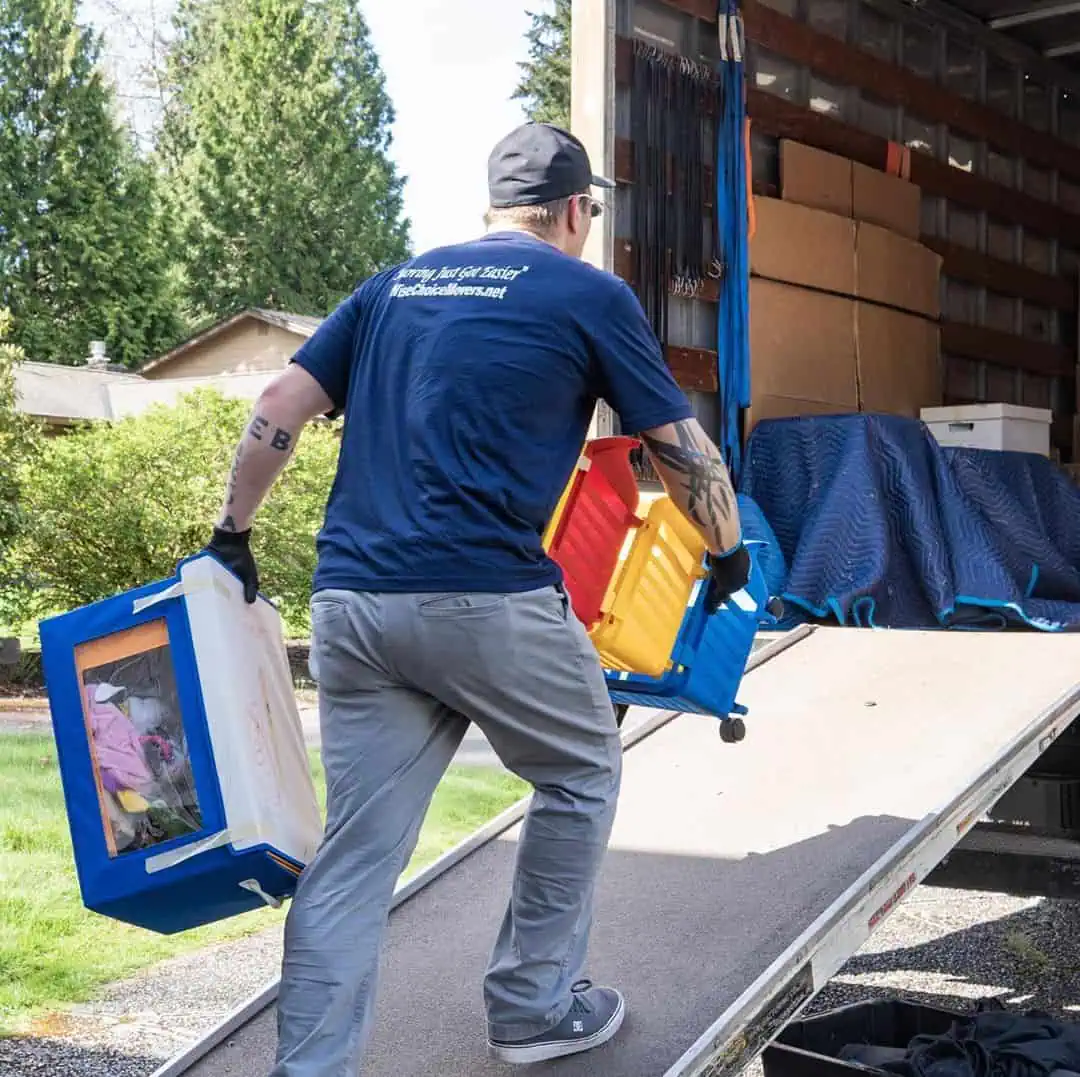
Not every move is the same, and an aging parent’s move calls for a crew that works with patience and care rather than just speed. The right movers communicate clearly throughout the day, handle belongings gently, and move at a pace that doesn’t leave your parent feeling rushed or overwhelmed.
When you’re evaluating moving companies, ask whether they have experience with senior moves specifically. A crew that understands the emotional weight of the day, and that treats an older person’s belongings the way they’d treat their own family’s, makes a real difference.
Help Them Settle In
The move doesn’t end when the truck is unloaded. The first days and weeks in a new place are an adjustment, and your presence helps.
Set up familiar items first. A favorite chair in its usual spot, family photos on the wall, and the bedroom arranged recognizably all help a new place start to feel like home. Spend time there in the early days if you can. The transition is easier when it doesn’t feel like being left in an unfamiliar place alone.
A Move Handled With Care
Relocating an aging parent is one of the more meaningful moves a family goes through, and doing it well is about more than logistics. It’s about respect, patience, and giving someone a sense of stability through a big change.
Wise Choice Movers has helped families across Woodinville and the greater Seattle area with senior moves for over a decade. Our team works at a pace that suits your parent, communicates clearly throughout the day, and handles every item with care. If you’re planning a move for an aging parent, reach out for a free estimate and a conversation about how we can help make the day go more smoothly.